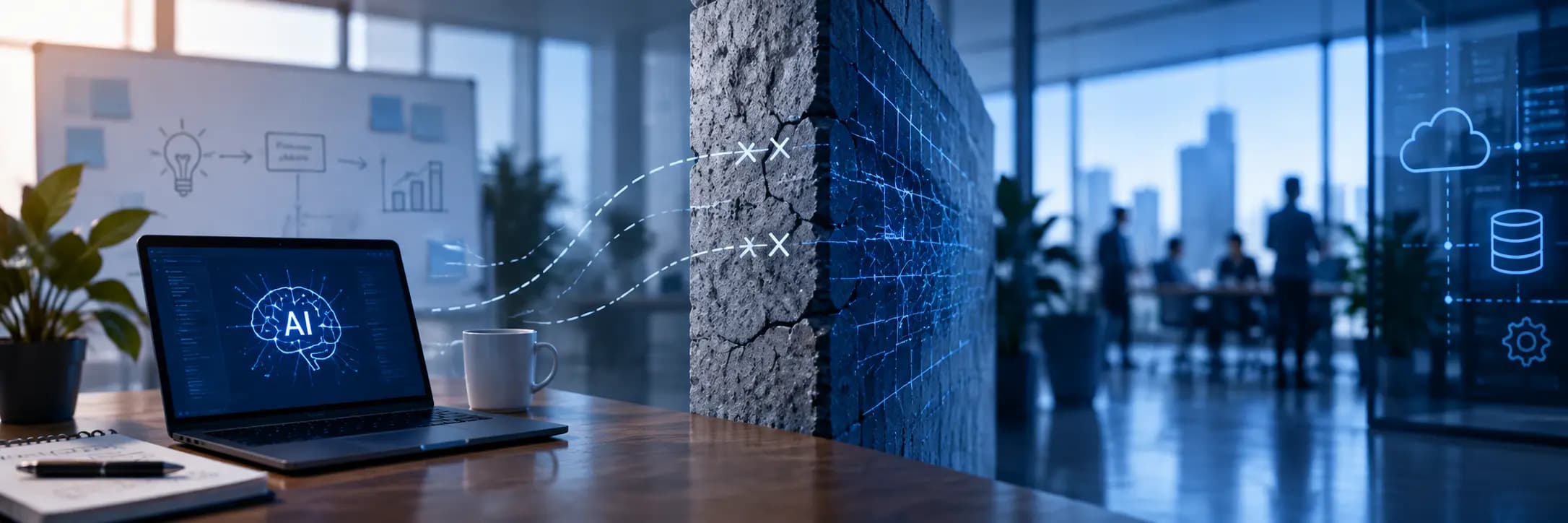
Generative AI is rapidly changing the landscape of work. In the next five years, we can expect to see even more significant advancements in this technology, leading to a transformation in how we work and what skills will be in demand.
The Changing Nature of Work
As AI-powered tools become more sophisticated, they are likely to automate many of the tasks that humans currently perform. This could lead to job displacement in some sectors, but it is also expected to create new opportunities in others. For example, there is a growing demand for workers with skills in AI development, data science, and machine learning.
In addition to automating tasks, AI is also changing the nature of work in other ways. AI-powered tools can help employees become more productive and creative. They can also improve communication and collaboration between team members.
The Rise of AI-Powered Tools
One of the most significant trends expected to accelerate in the coming years is the increasing use of AI-powered tools in the workplace. These tools can automate tasks, generate creative content, and provide insights that would be difficult or impossible for humans to achieve alone.
Customer Service Chatbots
Customer service chatbots can provide 24/7 support, answer frequently asked questions, and resolve simple customer issues. Many businesses are already using chatbots to improve their customer service capabilities, and adoption is expected to continue growing.
Data Analysis Tools
AI-powered data analysis tools help businesses make better decisions by analyzing large datasets and identifying patterns or trends. Tools like Tableau and Power BI are increasingly integrating AI capabilities to help users extract insights more efficiently.
Personalized Content Creation Engines
Modern generative AI tools can create marketing campaigns tailored to individual customer profiles using prompts and behavioral data. Examples include:
- Dynamic video ads: Customized video content with voiceovers and visuals generated from real-time customer data.
- Hyper-personalized email sequences: Email campaigns that adapt to user behavior and engagement patterns.
- AI-driven social media content: Posts, images, and short videos tailored to specific platforms and audience segments.
These systems use advanced generative models to produce content that feels natural and contextually relevant.
AI-Powered Code Generation and Software Development
Generative AI is accelerating software development by automating several development processes:
- AI-driven UI/UX design: Automatically generating user interfaces based on design specifications and personas.
- Code completion and generation: AI tools assist developers by writing code blocks, debugging programs, and generating modules from natural language instructions.
- Automated testing and deployment: Generative AI can create test cases and automate deployment workflows, significantly reducing development time and operational costs.
Generative AI in Product Design and Manufacturing
Generative AI is transforming product development and manufacturing through advanced design capabilities:
- AI-driven product design: Generating optimized product designs based on requirements and constraints.
- 3D model generation: Creating realistic product models for visualization and manufacturing preparation.
- Materials discovery: Designing new materials with specific characteristics for industrial applications.
AI-Powered Virtual Assistants with Advanced Conversational Abilities
Future virtual assistants will go far beyond simple task automation. They will participate in complex interactions and assist with high-level tasks such as:
- AI-driven negotiation and sales: Virtual assistants capable of negotiating deals and closing sales using natural language.
- Personalized learning and tutoring: AI tutors that adapt to individual learning styles and generate customized educational content.
- Creative collaboration: AI assistants that help brainstorm ideas and co-create content alongside human teams.
Generative AI for Realistic Simulations and Training
Generative AI can create immersive training environments and simulations for professional development:
- AI-generated virtual environments: Realistic environments used for training in healthcare, aviation, manufacturing, and other industries.
- AI-generated characters: Digital characters that simulate real-world interactions during training exercises.
- Dynamic scenario generation: Adaptive training simulations that respond to user decisions and actions.
These innovations are reshaping workplaces by introducing new workflows and improving operational efficiency.
The Importance of Upskilling and Reskilling
As the nature of work evolves, employees must continuously update their skills to remain competitive. Organizations should invest in training programs that help workers learn emerging technologies and AI-related competencies.
Employers also play a critical role in supporting workforce transformation. Providing training resources, AI tools, and structured learning opportunities allows employees to focus on higher-value tasks instead of repetitive manual work.
Templates, automation, and AI-assisted workflows can help employees accelerate early stages of tasks, allowing them to focus on deeper problem-solving and strategic work.
The Impact of Generative AI on Different Industries
Generative AI is influencing multiple industries:
- Healthcare: AI is helping accelerate drug discovery and enabling more advanced treatment development.
- Education: AI-powered systems are creating personalized learning experiences tailored to individual students.
- Entertainment: Generative AI is enabling new creative formats and innovative digital content production.
The Role of Government in Regulating AI
As AI technologies become more powerful, regulatory frameworks will play an essential role in ensuring responsible adoption. Governments must develop policies that promote innovation while ensuring safety, fairness, and transparency.
Effective regulation can encourage responsible AI development while protecting individuals, businesses, and society.
The Importance of Ethical AI Development
Ethical AI development ensures that AI technologies benefit humanity rather than cause harm. Developers and organizations must ensure their systems are transparent, unbiased, and designed with fairness in mind.
Responsible AI practices help build trust among users and stakeholders while ensuring AI systems align with societal values.
Conclusion
The next five years will likely bring significant changes to how work is structured and performed. Generative AI has the potential to transform industries, redefine job roles, and reshape the skills required for the workforce of the future.
By understanding the opportunities and challenges presented by generative AI, businesses and employees can prepare for the evolving workplace and position themselves for long-term success.
How Dynamisch Can Offer Generative AI & ML Solutions
Dynamisch helps organizations leverage the power of generative AI and machine learning. Our team of experienced data scientists and engineers builds AI-powered solutions tailored to enterprise needs.
We support businesses with:
- Custom generative AI application development
- AI integration into existing enterprise systems
- Secure and scalable AI architecture
- Workforce training for AI-powered tools
If you are interested in learning how Dynamisch can help you adopt generative AI and machine learning, contact our team to explore the possibilities.