LiDAR & Point Cloud Processing for Spatial Computing
We process LiDAR and point cloud data into XR environments, BIM models, and digital twin inputs using AI-automated workflows across drone, terrestrial, mobile, and iPhone LiDAR captures.
Raw LiDAR scans and point clouds generate massive volumes of unstructured spatial data that cannot be directly used for BIM, digital twins, or immersive environments. Without specialized processing, classification, and modeling workflows, valuable scan data remains underutilized. Structured point cloud processing transforms captured reality into accurate, actionable digital assets ready for engineering, operations, and visualization.

LiDAR & Point Cloud Processing Services

Point Cloud Data Processing
We transform raw point cloud datasets into structured, accurate spatial data through cleaning, registration, alignment, noise reduction, and quality validation workflows.

AI Point Cloud Classification
AI-assisted classification automatically identifies buildings, infrastructure, terrain, vegetation, equipment, and objects to accelerate spatial data processing.

Scan-to-BIM Modeling Services
Processed scan data is converted into BIM-ready models that support facility management, engineering workflows, construction planning, and digital transformation initiatives.

Digital Twin Data Integration
We prepare and integrate reality capture data into digital twin environments, enabling accurate visualization, monitoring, and operational analysis.

Point Cloud XR Environment
Point cloud datasets are optimized for immersive visualization, spatial computing applications, training environments, and interactive XR experiences.

Semantic Segmentation Analysis
Advanced segmentation techniques classify and organize spatial elements into meaningful categories, improving model accuracy and downstream analytics.

3D Mesh Generation Services
We generate optimized 3D meshes from scan data to support visualization, simulation, engineering reviews, and interactive digital environments.

Real-Time Point Cloud Visualization
High-performance visualization environments enable teams to explore, analyze, and interact with large-scale point cloud datasets in real time.
Industries We Serve
We transform reality capture data into BIM models, digital twins, and immersive environments that support engineering and operational workflows.

Construction
Reality capture workflows improve site documentation, renovation planning, progress tracking, clash detection, and construction project visualization.
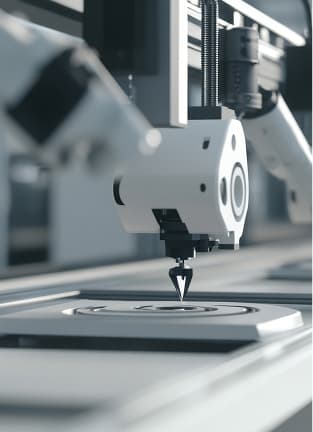
Manufacturing
Processed scan data supports factory digitization, facility mapping, equipment planning, operational analysis, and industrial digital twin initiatives.
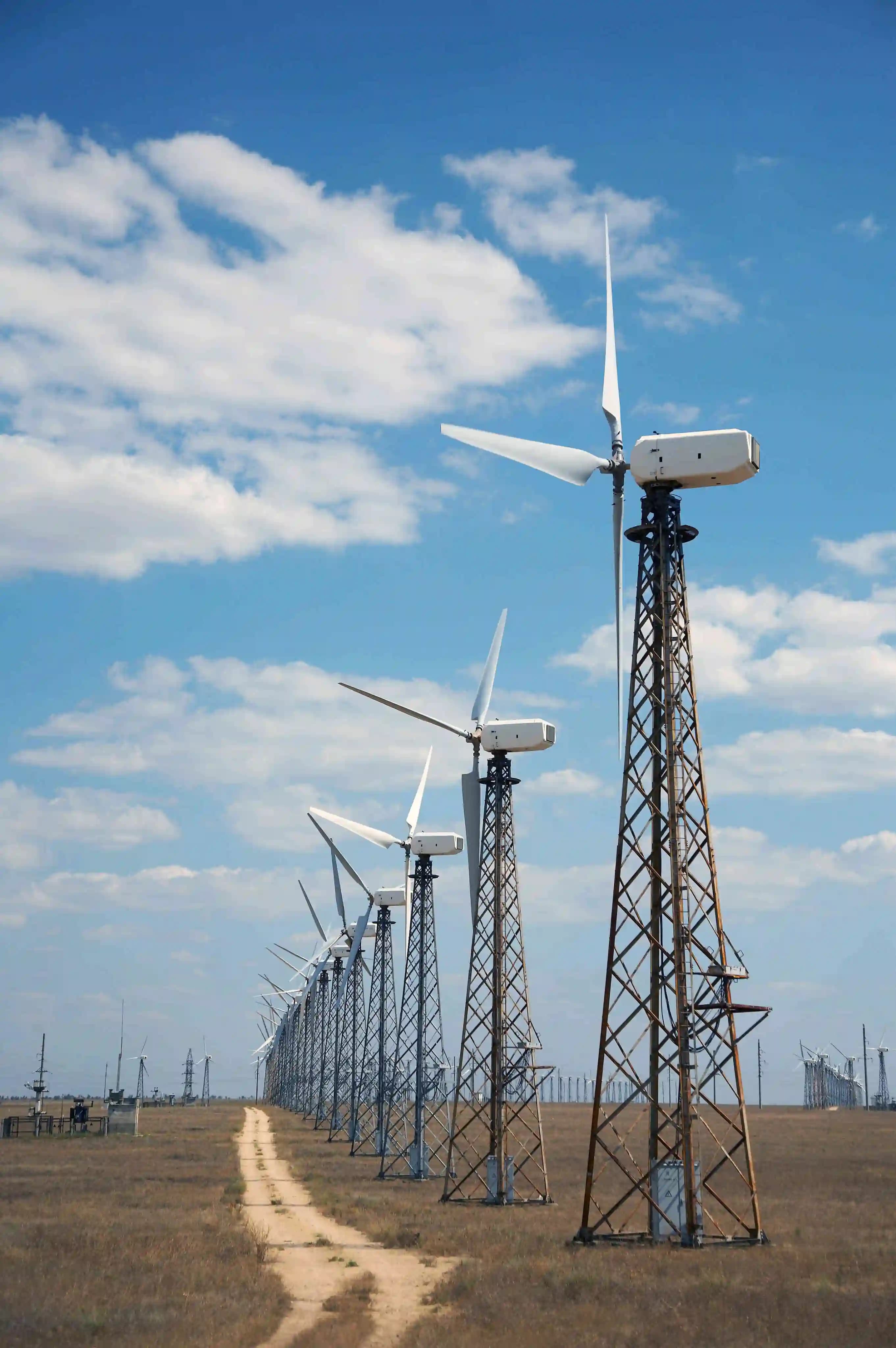
Energy & Utilities
LiDAR and point cloud processing improve infrastructure inspection, asset management, maintenance planning, and operational visibility across utility networks.

Smart Cities
Spatial data processing enables urban planning, infrastructure modeling, city-scale digital twins, and intelligent visualization of connected environments.
Our Point Cloud Processing Approach

01 Data Review & Requirements
We assess scan quality, project objectives, accuracy requirements, and deliverables to define the most effective processing workflow.

02 Point Cloud Preprocessing
Raw scan datasets are cleaned, aligned, registered, and optimized to remove noise and prepare them for downstream processing.

03 Classification & Segmentation
AI-assisted workflows classify and organize spatial elements, improving data quality, model accuracy, and processing efficiency.

04 Model & Asset Generation
We convert processed spatial data into BIM models, digital twin assets, 3D meshes, and visualization-ready environments.

05 Integration & Delivery
Final deliverables are integrated into engineering, digital twin, BIM, GIS, and XR platforms for immediate operational use.
Data Review & Requirements
We assess scan quality, project objectives, accuracy requirements, and deliverables to define the most effective processing workflow.
01
Data Review & Requirements
02
Point Cloud Preprocessing
03
Classification & Segmentation
04
Model & Asset Generation
05
Integration & Delivery
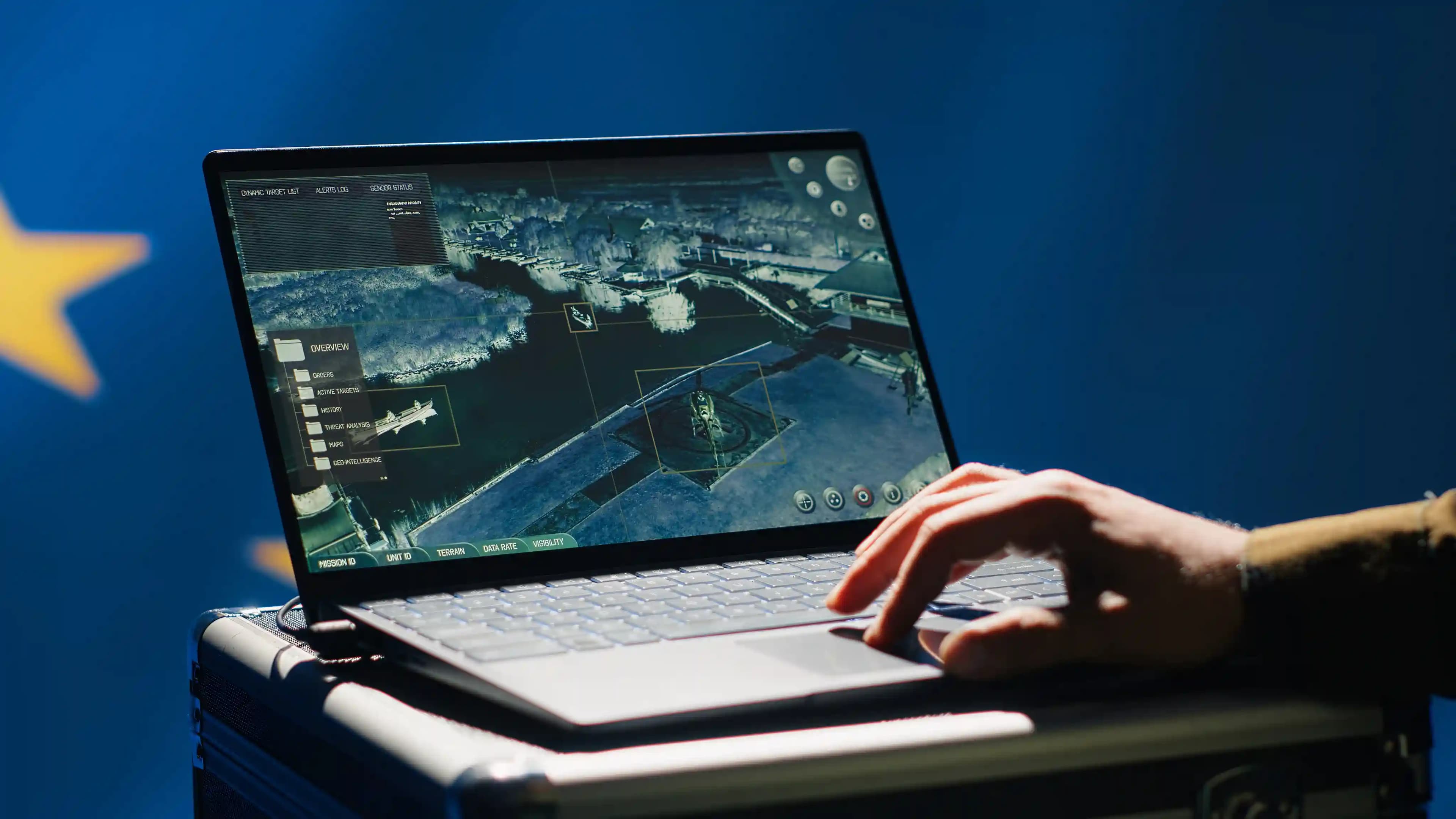
LiDAR Processing Tech Stack
We use advanced reality capture, AI processing, BIM, and digital twin technologies to transform scan data into actionable digital assets.

LAtools

CloudCompare

Leica Cyclone

Trimble RealWorks

FARO SCENE

ReCap Pro

Flai

Pointvo

OpenXR

Point++

Customer Deep Learning Pipelines

Autodesk Revit

Archicad

IFC export pipelines

NVIDIA Omniverse (USD)
Azure Digital Twins

AWS IoT TwinMaker

Bentley iTwin

Unity

Unreal Engine 5

Potree (WebGL Viewer)

Cesium

Three.js

Agisoft Metashape

RealityCapture

DJI Terra

Pix4D

iPhone/iPad LiDAR (Polycam)

ARKit

LAS/LAZ

E57

PLY

PCD

XYZ

RCP/RCS
IFC

USD

glTF

FBX
LAtools
CloudCompare
Leica Cyclone
Trimble RealWorks
FARO SCENE
ReCap Pro
Flai
Pointvo
OpenXR
Point++
Customer Deep Learning Pipelines
Autodesk Revit
Archicad
IFC export pipelines
NVIDIA Omniverse (USD)
Azure Digital Twins
AWS IoT TwinMaker
Bentley iTwin
Unity
Unreal Engine 5
Potree (WebGL Viewer)
Cesium
Three.js
Agisoft Metashape
RealityCapture
DJI Terra
Pix4D
iPhone/iPad LiDAR (Polycam)
ARKit
LAS/LAZ
E57
PLY
PCD
XYZ
RCP/RCS
IFC
USD
glTF
FBX
Success Stories
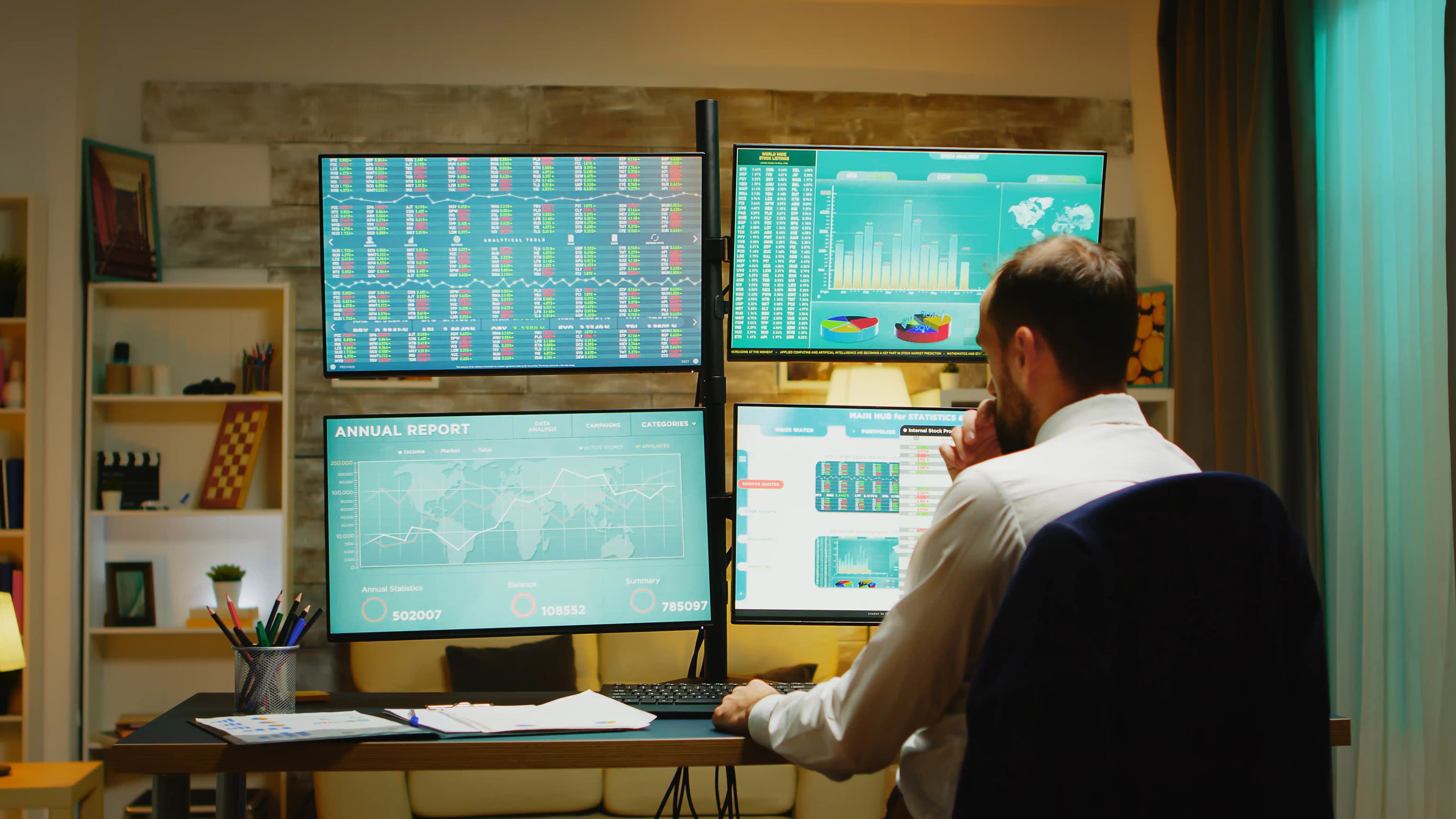
XR Platform to Accelerate Operator Training & Reduce Operational Errors
Dynamisch engineered XR training platform which transforms traditional industrial training models by bringing immersive guidance and remote collaboration directly to the shop floor, enabling faster operator onboarding, reduced errors, and improved operational efficiency across distributed manufacturing facilities.
01 / 04
Why Choose Dynamisch
Dynamisch transforms reality capture data into BIM models, digital twins, and immersive environments through AI-assisted processing and scalable spatial workflows. We support the complete journey from scan acquisition and classification to visualization, simulation, and operational applications.

XR & Digital Twin
Integration

AI-Automated
Point Cloud Processing

All LiDAR Capture Types
Supported

End-to-End from
Scan to Application
Related Insights
View All Insights Blog
Blog12 min readSep 30, 2026
What Is a Global Capability Center (GCC)? Why Companies Are Building Them in India
What is a Global Capability Center? Learn the GCC meaning, models, and why 2,117 GCCs now operate in India, backed by 2026 Nasscom-Zinnov data.
Global Capability CenterGCCGCC IndiaBuild-Operate-Transfer
 Blog
Blog15 min readSep 23, 2026
The Integration Wall: Why Most AI Pilots Never Reach Production
Most AI pilots don't fail on models; they fail at integration. Here's the engineering reality behind the 95% failure rate and how to break through.
AI PilotsEnterprise AIAI IntegrationMLOps
 Blog
Blog10 min readSep 14, 2026
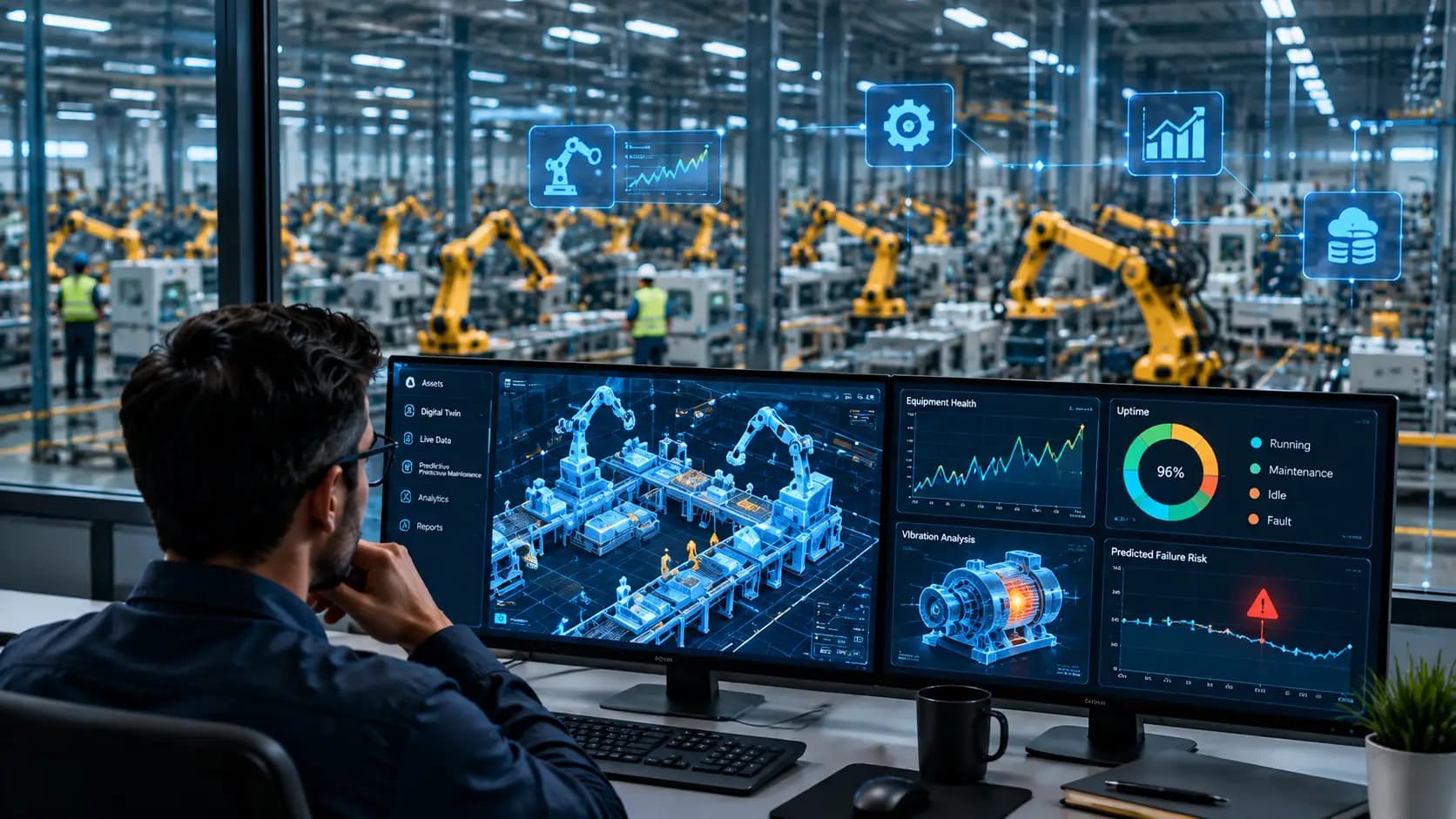
Digital Twins in Manufacturing: How Predictive Maintenance Is Powering Industry 4.0
Digital twins cut unplanned downtime and drive Industry 4.0 maturity. See how manufacturers use predictive maintenance to protect uptime and margin.
Digital TwinsPredictive MaintenanceIndustry 4.0Manufacturing Technology
Frequently Asked Questions about LiDAR & Point Cloud Processing
01
What Is LiDAR Point Cloud Processing and What Can It Be Used For?
LiDAR point cloud processing transforms raw spatial scan data into structured digital assets that support BIM modeling, digital twins, facility management, infrastructure planning, simulation, and immersive visualization environments.
02
What Is the Difference Between LiDAR and Photogrammetry?
LiDAR uses laser measurements to capture highly accurate spatial geometry, while photogrammetry reconstructs 3D environments from images. Many projects combine both approaches to improve accuracy and visual detail.
03
What Is Scan to BIM and How Accurate Is It?
Scan to BIM converts reality capture data into BIM-ready models for design, construction, and facility operations. Accuracy depends on scan quality, project requirements, and the level of detail required.
04
Can You Process LiDAR Scans Captured With an iPhone or iPad?
Yes, we process LiDAR data captured using iPhone and iPad devices and transform it into BIM models, digital twin assets, visualization environments, and spatial computing applications.
05
How Do You Integrate Point Cloud Data into a Digital Twin or XR Environment?
Processed point cloud data is optimized, classified, and converted into digital assets that integrate with digital twin platforms, simulation environments, XR applications, and interactive 3D visualization systems.
06
How Long Does LiDAR Point Cloud Processing Take for a Large Facility?
Processing timelines depend on scan volume, facility size, accuracy requirements, and deliverables. Large facilities are commonly delivered through phased processing and validation workflows.